Iceland is the most alien place I’ve ever been. I really love these photos from Art Bicknick of winter roads in the South (via Reykjavik Grapevine).
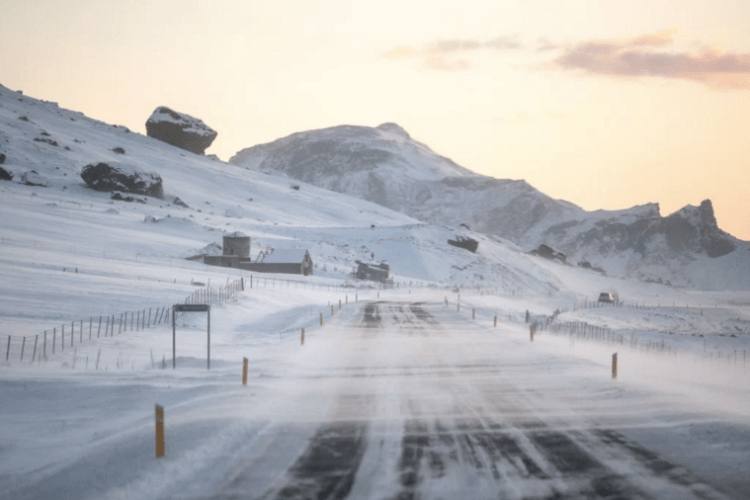
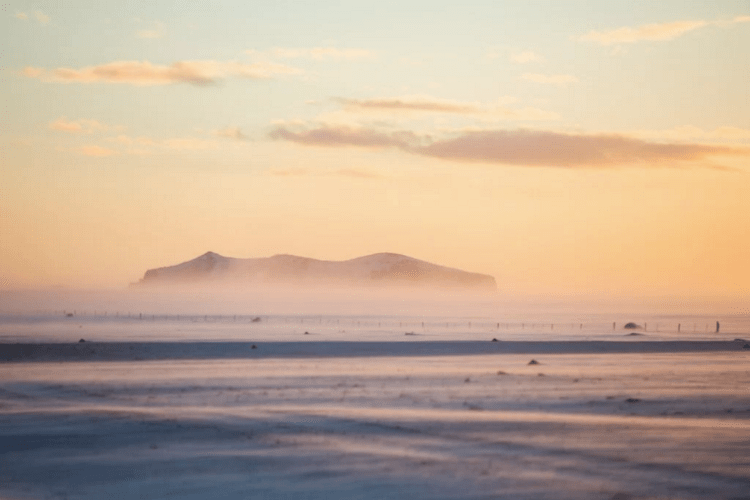

Iceland is the most alien place I’ve ever been. I really love these photos from Art Bicknick of winter roads in the South (via Reykjavik Grapevine).
Paris Winter, by Howard Altmann.
That we can breathe and not forget
our dreams entirely. In the cold sunthe warmth of timelessness. There is
panic, rest assured, so much beautystirring, I want to touch all that
contains me. We know the questionsand the light shifts without a word.
In the clouds, a philosopher’s chairrocks. In the riverbed, the buff
and lathe of stones, change glisteningpast. And from the afternoon, drops
of her monthly blood drip downthe stairs, the kitchen table, all of her
unopened bills, a cold floor that timedus. O, the ins and outs of memory
breathe, too, images at rest in the darkchambers, the gilded daylight whir
a heart’s dusting—one walkup,one post storm quiet blinking at
infinity. Who shot the moonand claimed victory in the morning?
The constellations touch down;the years collapse; the boom
and bust of love lowers the craneat dawn: in what earth, in what sky
will the soul find its keeper?
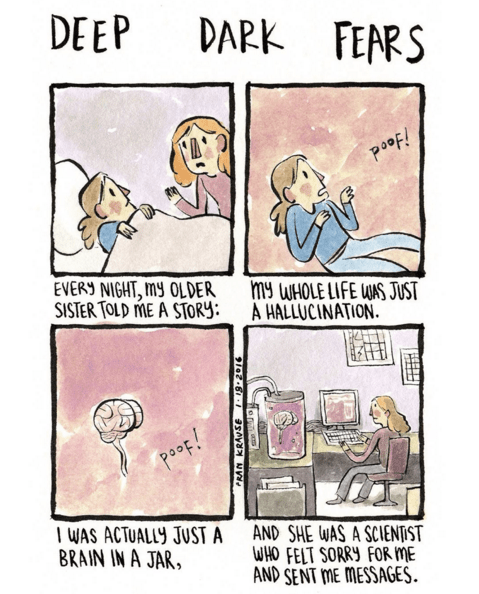
From deep dark fears (thanks Morgan!).
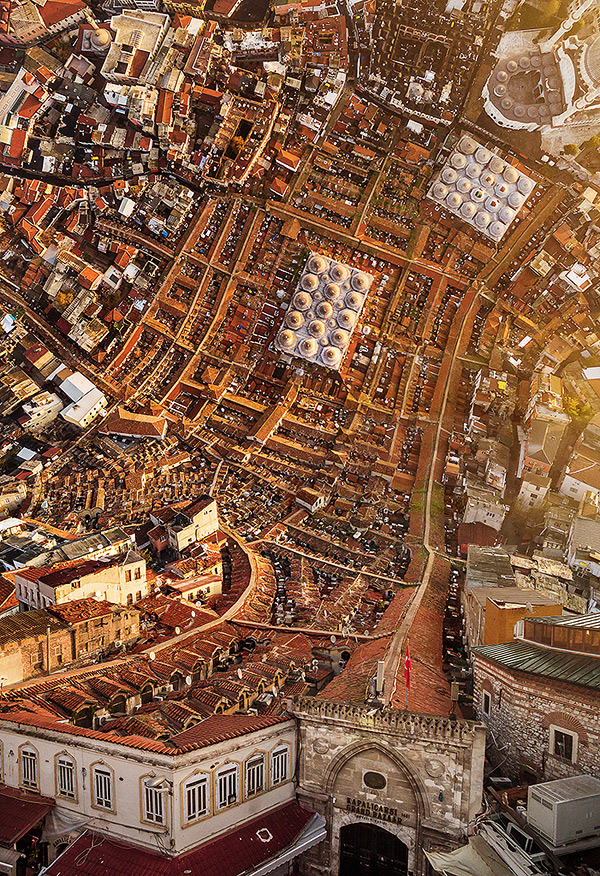
Drone photography from Aydin Büyüktas (via Booooooom!)
Jack Davidson does the most incredible portraits — via it’s nice that.

Watch: The Above. Something about this reminds me of Don DeLillo.
In Kabul, the bustle of the city – shopping, work, conversation and play – takes place beneath a mysterious US military balloon that has hovered in the sky since 2009. Ominous yet somehow part of the landscape given its omnipresence, the balloon’s precise purpose and capabilities are not disclosed. Part of The Intercept’s Field of Vision documentary series, The Above is both an apt metaphor for the state of global surveillance, and an unsettling glimpse into the increasingly common experience of living with unfamiliar, unwelcome objects overhead.
From Jason Novak’s illustrations of Ron Padgett’s poem “How to Be Perfect,” via the Paris Review
 .
.
Laurie Penny, from What to do when you’re not the hero any more.
“The rage that white men have been expressing, loudly, violently, over the very idea that they might find themselves identifying with characters who are not white men, the very idea that heroism might not be particular to one race or one gender, the basic idea that the human story is vast and various and we all get to contribute a page – that rage is petty. It is aware of its own pettiness. Like a screaming toddler denied a sweet, it becomes more righteous the more it reminds itself that after all, it’s only a story.
Only a story. Only the things we tell to keep out the darkness. Only the myths and fables that save us from despair, to establish power and destroy it, to teach each other how to be good, to describe the limits of desire, to keep us breathing and fighting and yearning and striving when it’d be so much easier to give in. Only the constitutive ingredients of every human society since the Stone age.
Only a story. Only the most important thing in the whole world.
The people who are upset that the faces of fiction are changing are right to worry. It’s a fundamental challenge to a worldview that’s been too comfortable for too long. The part of our cultural imagination that places white Western men at the centre of every story is the same part that legitimises racism and sexism. The part of our collective mythos that encourages every girl and brown boy to identify and empathise with white male heroes is the same part that reacts with rage when white boys are asked to imagine themselves in anyone else’s shoes.
The problem – as River Song puts it – is that ‘men will believe any story they’re hero of,’ and until recently that’s all they’ve been asked to do. The Original Star Wars was famously based on Joseph Campbell’s “Hero’s Journey”, the “monomyth” that was supposed to run through every important legend from the beginning of time. But it turned out that women had no place in that monomyth, which has formed the basis of lazy storytelling for two or three generations: Campbell reportedly told his students that “women don’t need to make the journey. In the whole mythological journey, the woman is there. All she has to do is realise that she’s the place that people are trying to get to”.
Which is narratologist for “get back to the kitchen” and arrant bullshit besides. It’s not enough to be a destination, a prop in someone else’s story. Now women and other cultural outsiders are kicking back and demanding a multiplicity of myths. Stories in which there are new heroes making new journeys.”
Allesio Albi’s photography does incredible things with natural light. I love these two (via Empty Kingdom).


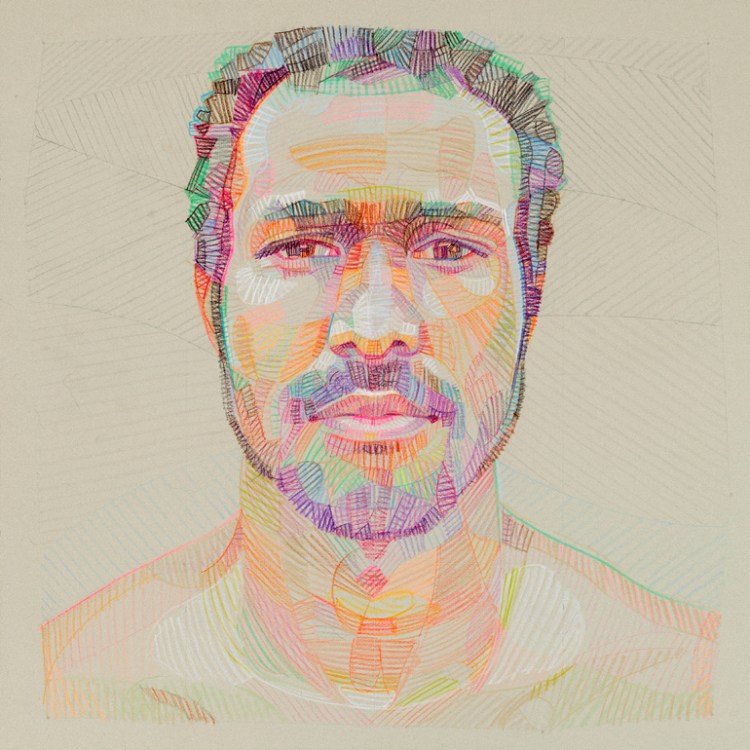


 lexgill.com