From Kameelah Janan Rasheed, How to Suffer Politely (And Other Etiquette).

From Kameelah Janan Rasheed, How to Suffer Politely (And Other Etiquette).
Good morning world via Liberators International.
From Maya Jasanoff, At Sea with Joseph Conrad.
Toward the end of the trip, Marlow stops at a riverside hut. Inside, he discovers, of all things, a book. “It was an extraordinary find. Its title was, ‘An Inquiry into some Points of Seamanship,’ by a man Tower, Towson — some such name — Master in his Majesty’s Navy” and it “was sixty years old” — a relic from the golden age of sail. Marlow loses himself in its pages as if in “the shelter of an old and solid friendship.” It “made me forget the jungle,” and imparted “a delicious sensation of having come upon something unmistakably real.” The manual has no practical relevance for a Congo steamship, but it reminds Marlow of something more essential: the ethics of sail he fights to uphold in the savage world of steam.
….
Sailing in Conrad’s tracks has made me think afresh about progress and obsolescence. When I hear people say that everything’s changed (or should) in the digital age, I look at the ocean.
From Millennium Dream (this first piece reminds me of the feel of listening to Welcome to Night Vale).


Anonymous asked: What program do you use to design?

From the Paris Review archives.
INTERVIEWER
I’ve read critics who say that your books are bound to make people feel uncomfortable.
DeLILLO
Well, that’s good to know. But this reader we’re talking about—he already feels uncomfortable. He’s very uncomfortable. And maybe what he needs is a book that will help him realize he’s not alone.
“V” HS Project from Philip Ob Re via Partage Montreal.


Japanese Flyer: New Clear Power. Yuji Maruyama (nuttsponchon). 2012 via Gurafiku.

From the Siight blog.
From Desiderata, Max Ehrmann, illustrated by Zen Pencils.

Lighting the Way, from Lily Padula.

“If we apply the algorithm iteratively on its own outputs and apply some zooming after each iteration, we get an endless stream of new impressions, exploring the set of things the network knows about. We can even start this process from a random-noise image, so that the result becomes purely the result of the neural network, as seen in the following images…“

From the Google research blog.
GOOD MORNING ///
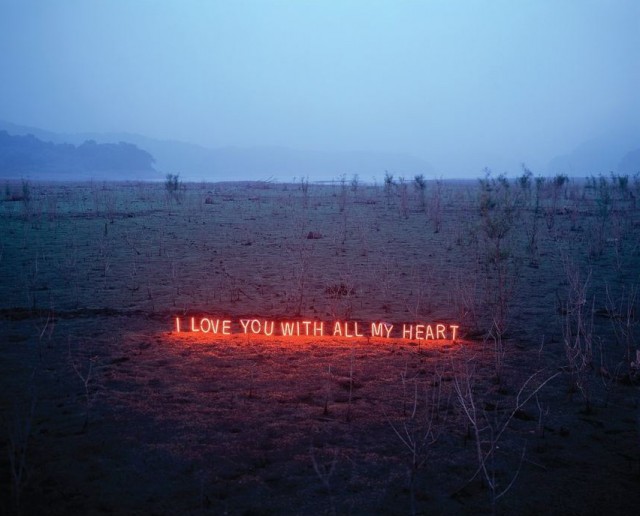
Artist Lee Jung via mymodernmet.
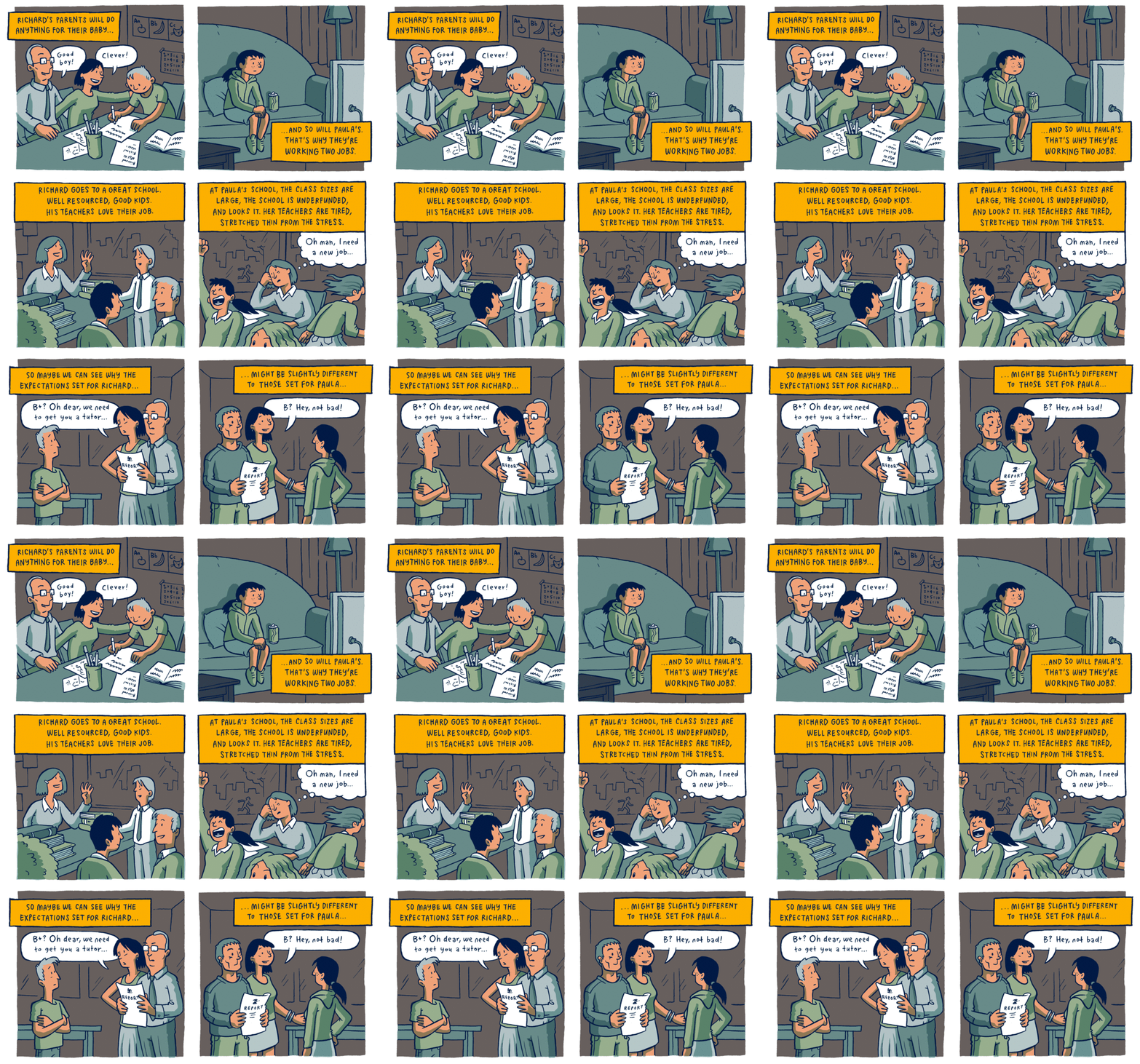
Full comic from Toby Morris here, via Vagabomb.

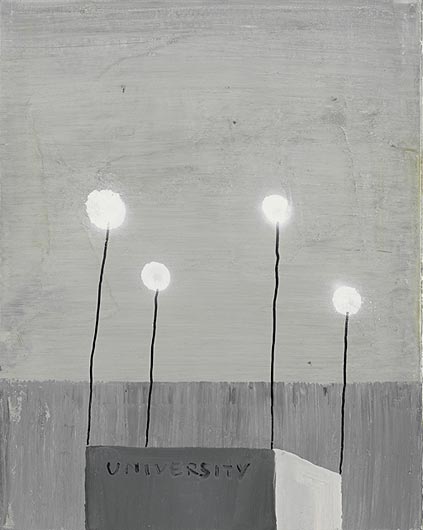
 lexgill.com