Marfa from The Brothers McLeod on Vimeo.
FOUR HUNDRED AND EIGHTY

FOUR HUNDRED AND SEVENTY NINE
FOUR HUNDRED AND SEVENTY EIGHT
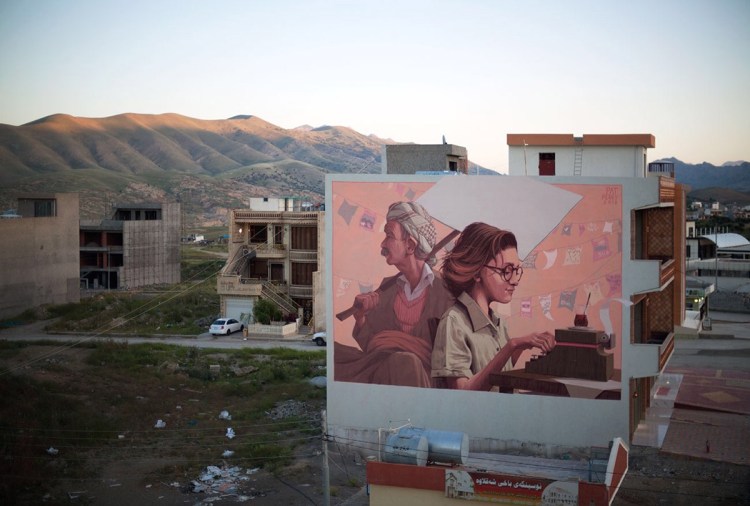
From If They Should Come for Us, by Fatimah Asghar.
my people I follow you like constellationswe hear the glass smashing the street& the nights opening their darkour names this country’s woodfor the fire my people my peoplethe long years we’ve survived the longyears yet to come I see you mapmy sky the light your lantern longahead & I follow I follow
FOUR HUNDRED AND SEVENTY SEVEN


FOUR HUNDRED AND SEVENTY SIX
From Toni Morrison’s Beloved via Maria Popova.
“Listening to the doves in Alfred, Georgia, and having neither the right nor the permission to enjoy it because in that place mist, doves, sunlight, copper dirt, moon — everything belonged to the men who had the guns. Little men, some of them, big men too, each one of whom he could snap like a twig if he wanted to. Men who knew their manhood lay in their guns and were not even embarrassed by the knowledge that without gunshot fox would laugh at them. And these “men” who made even vixen laugh could, if you let them, stop you from hearing doves or loving moonlight. So you protected yourself and loved small. Picked the tiniest stars out of the sky to own; lay down with head twisted in order to see the loved one over the rim of the trench before you slept. Stole shy glances at her between the trees at chain-up. Grass blades, salamanders, spiders, woodpeckers, beetles, a kingdom of ants. Anything bigger wouldn’t do. A woman, a child, a brother — a big love like that would split you wide open in Alfred, Georgia. He knew exactly what she meant: to get to a place where you could love anything you chose — not to need permission for desire — well now, that was freedom.”
FOUR HUNDRED AND SEVENTY FIVE
FOUR HUNDRED AND SEVENTY FOUR


FOUR HUNDRED AND SEVENTY THREE

FOUR HUNDRED AND SEVENTY TWO
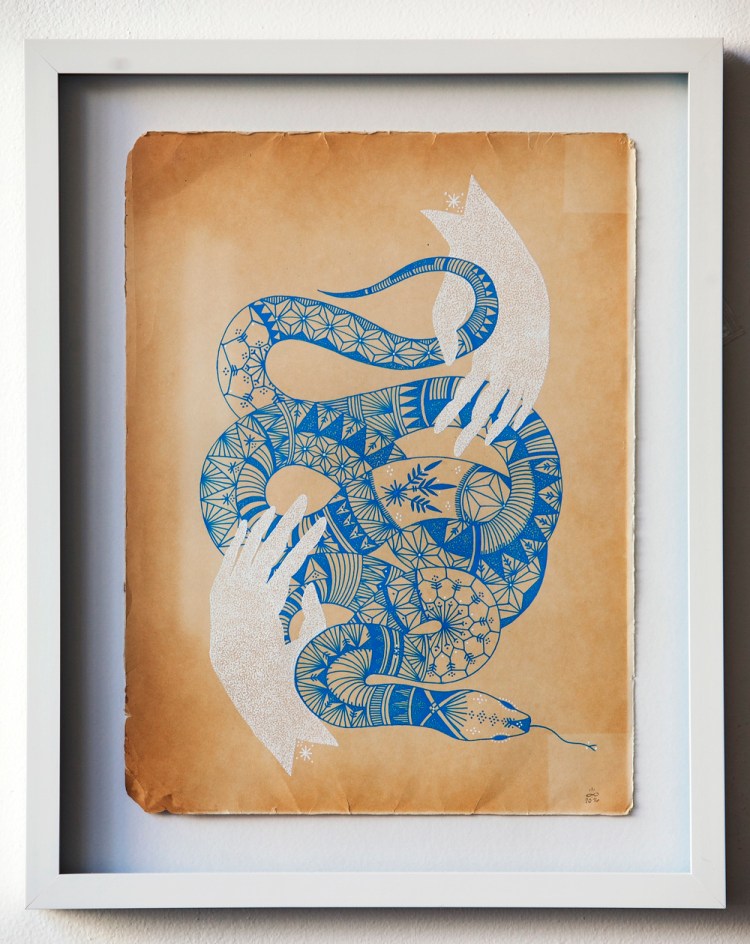
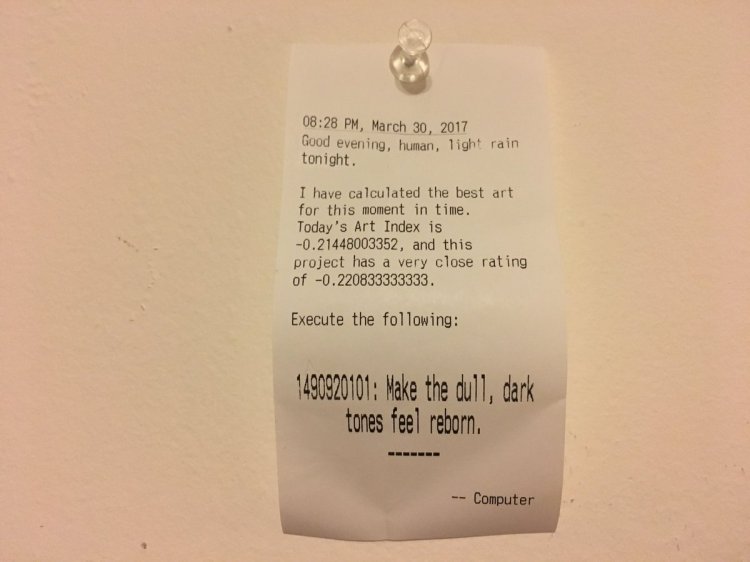
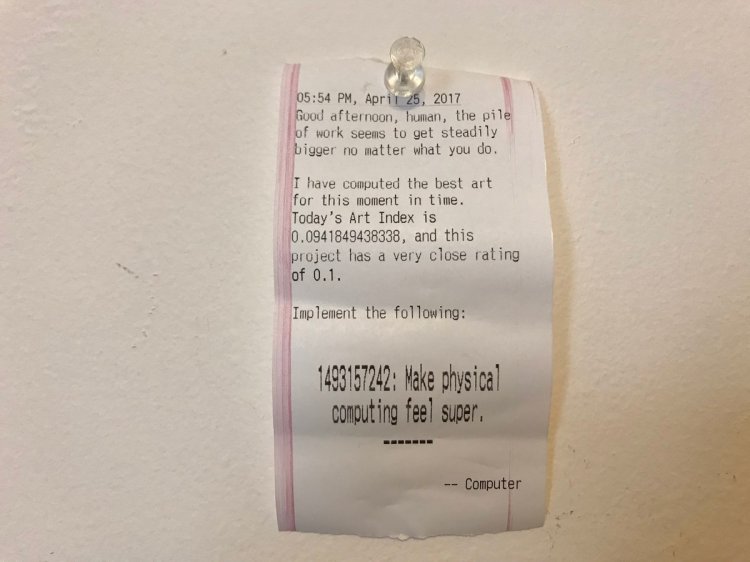
From Alexander Reben’s all prior art (see also: all the claims).

FOUR HUNDRED AND SEVENTY ONE
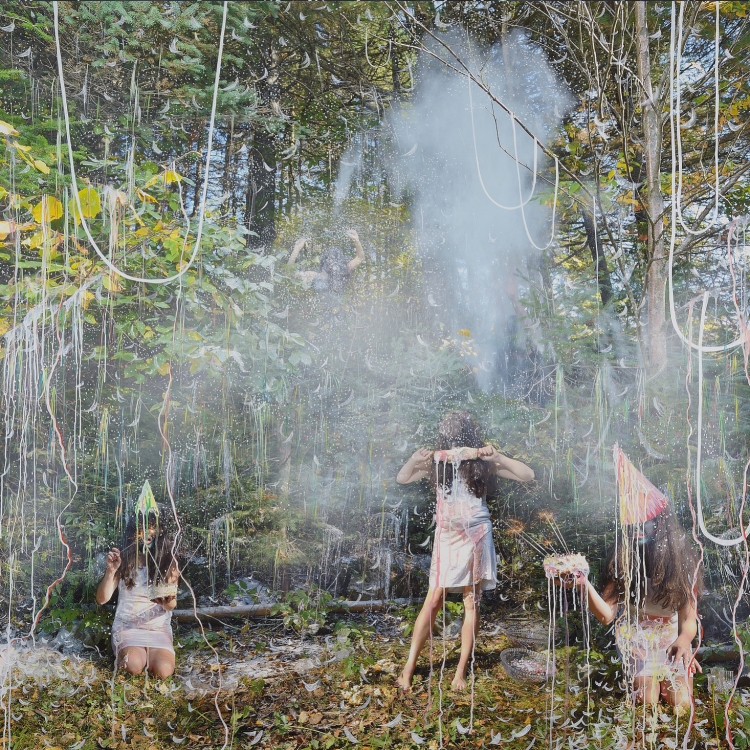
Annie Baillargeon, from the (unsettling) collection, Les natures mortes.
FOUR HUNDRED AND SEVENTY
Excerpt from Dear Friend by Dean Young:
What happens when your head splits openand the bird flies out, its two notes deranged?You got better, I got better,wildflowers rimmed the crater,glitter glitter glitter.We knew someone whose father diedthen we knew ourselves.Astronomer, gladiator,thief, a tombstone salesman.All our vacations went to the seathat breathed two times a daywithout a machine.We got in trouble with a raftdoing what we promised not to.Further out to be brought further back.
FOUR HUNDRED AND SIXTY NINE
From The Irradiated International by Lou Cornum, via Data & Society.
In 1998, a group of Dene elders from Northwest Canada traveled to Hiroshima to meet with survivors and descendants of survivors of the atomic bomb dropped some fifty years earlier. Some of the uranium used to kill more than 200,000 people in Japan had been mined and transported by Dene men, many of whom died years later from radiation-related disease. The six Dene elders came from where the earth had been torn up to the place where earth and sky were ripped apart like never before. They came to Hiroshima to apologize and to recognize the shared radioactive reality between people touched by the detonation of the bomb and those who unwittingly touched the materials that would make such a weapon. Nobody from the Canadian government was present, none among those who had exploited the miner’s bodies and their home lands and willingly aided the construction of the atomic bomb ever made the journey.
The reinscribed path of the Dene elder’s trip illuminated the radiated lines connecting settler colonial resource extraction and Western imperial warmaking. Theirs was an act of unexpected mapping, connecting two nodes of a much larger and largely obscured sphere of ongoing and purposefully scattered atomic apocalypse. What does it mean to ask forgiveness for something that was forced upon you?
FOUR HUNDRED AND SIXTY EIGHT
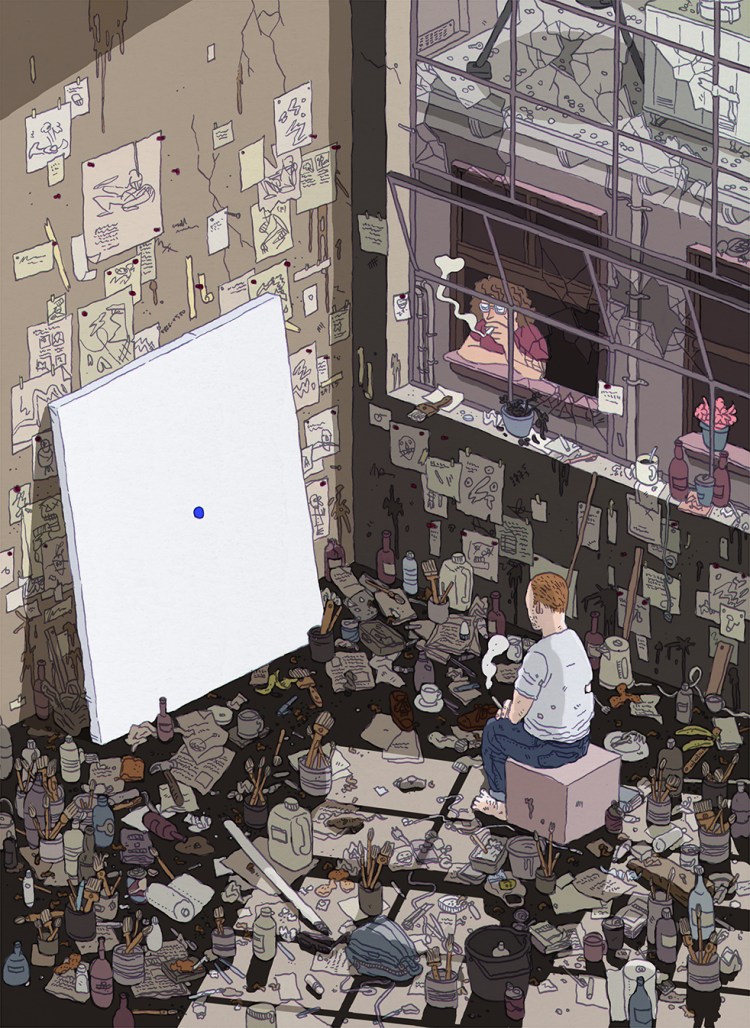
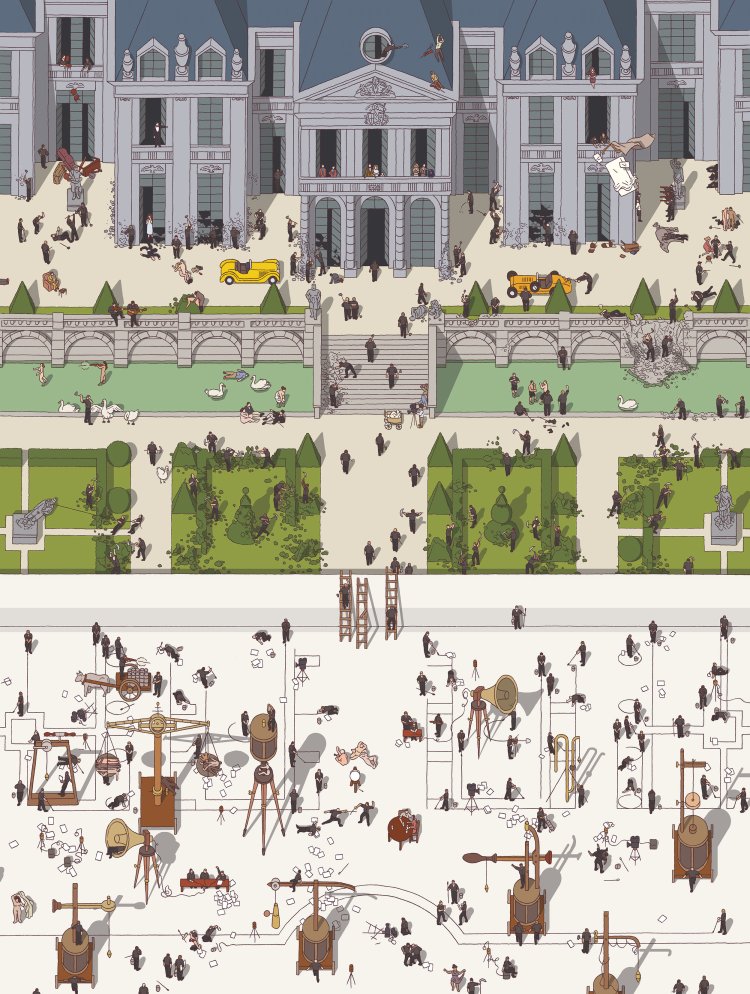
By Ilya Milstein — I love his detail and his titles. In order: “A Library by the Tyrrhenian Sea,” “The Minimalist,” and “On Exactitude in Science.”

 lexgill.com